On Episode 79 of The Edge of Innovation, we’re talking with business owner Dan Frasier, about entrepreneurship & how his company, Cornerstone Commissioning Inc., is more than just a business!

Hacking the Future of Business!
On Episode 79 of The Edge of Innovation, we’re talking with business owner Dan Frasier, about entrepreneurship & how his company, Cornerstone Commissioning Inc., is more than just a business!

On Episode 78 of The Edge of Innovation, we’re talking with Dan Frasier, co-founder of Cornerstone Commissioning Inc., about building control systems and continuous commissioning.
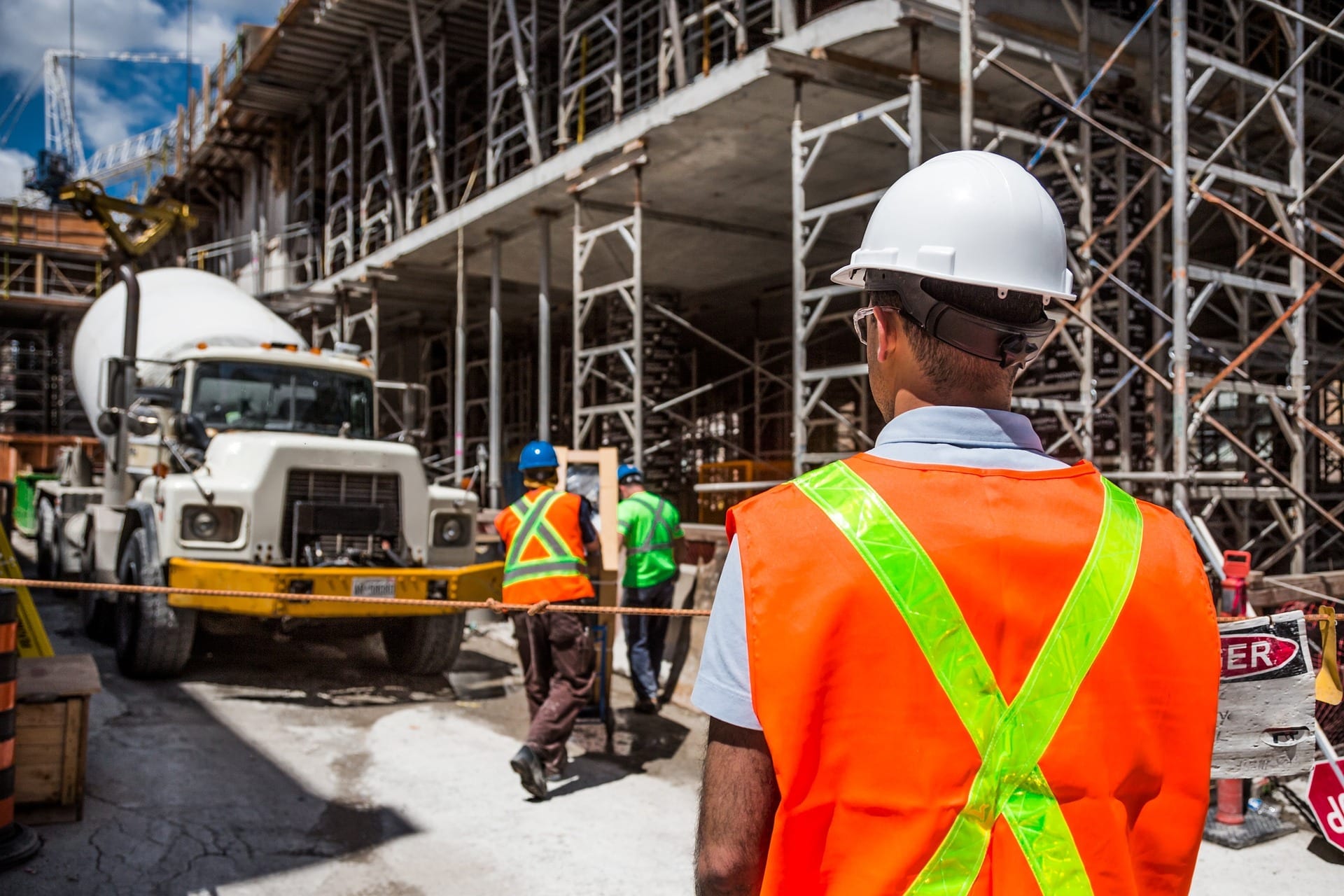
On Episode 77 of The Edge of Innovation, we’re talking with Dan Frasier, co-founder of Cornerstone Commissioning Inc., about construction commissioning.
The Cornerstone Commissioning Inc. Website
About Dan Frasier
About Cornerstone Commissioning
Find Cornerstone Commissioning on Twitter
Find Cornerstone Commissioning on LinkedIn
Find Dan Frasier on LinkedIn
Cornerstone Commissioning’s Blog
“The Importance of Communication During the Commissioning Process”
“Why The Construction Industry Needs Commissioning?” by Dan Frasier
Link to SaviorLabs Assessment
Introduction
What is Commissioning in the Construction Industry?
Verifying the Performance of a Building: What A Commissioner Does
Specializing in Biomedical Research and Infectious Disease Research Facilities
Making Sure Systems are Functioning: APV — Annual Performance Verification
Who Needs a Commissioning Service?
Testing and Fixing Commissioning Issues
More Episodes
Paul: Hello, and welcome to the Edge of Innovation. Today we’re talking with Dan Frasier from Cornerstone Commissioning Services. Right? Is it Cornerstone Commissioning?
Dan: Cornerstone Commissioning, Incorporated.
Paul: Okay. Cornerstone Commissioning, Incorporated.
Paul: So, I’ve known you a while, and I have to honest. I don’t know what Cornerstone Commissioning means. What does commissioning mean?
Dan: So commissioning is a process that’s used in the construction industry to verify the performance of buildings. So it’s — mostly for us anyway — it’s mostly related to mechanical, electrical, and plumbing systems but also life safety. And we have a special focus on building control systems.
Paul: Okay. So let me think. So most ordinary people have maybe built a house, at the extreme. Do we do commissioning in a house?
Dan: We actually have done a few houses, but that would be a very high-end home.
Paul: So give me an example. You know, no names, nothing. Just what does it actually mean? So, they’re building a new school. Is somebody actually going to be doing the commissioning part of the new school?
Dan: Most schools today, if it’s a significant project, are going to have commissioning related to it. And there will be two primary types of suppliers of commissioning services. We are involved in the MEP, the mechanical, electrical, plumbing, life safety, building control side of things. The other version would be the building envelop, so the building enclosure. There are people that focus on the enclosure of the buildings for energy, for air tightness. And we have subs who do that work on some of our projects. That would be higher-end projects where it’s a net-zero building where it’s a highly energy-efficient building that actually may have some other kind of power generation with it so it never takes anything off the grid.
Paul: Interesting. We’ll get into that.
Dan: But you need a really good envelope to do that.
Paul: So, let’s step back. You’re really close to this. We’re talking to relatively ordinary people, and the local town is going to be building a new high school. And you’re saying there’s aspects to commissioning with that. The envelope, the outside walls and the roof.
Dan: Yes.
Paul: And even the floors?
Dan: Yes.
Paul: Okay. And then there’s also like the plumbing, electrical, mechanicals. The heat pumps and the heaters and furnaces and air conditioning systems. Am I accurate in that?
Dan: Yes, that’s accurate.
Paul: Okay. So what do you do? I mean, does the architect sort of say, “We’re going to put all this stuff in”? And then you guys come back and make sure it works? Or do you make sure they put in the right stuff? What happens?
Dan: So, because we’re verifying the performance of a building and we want to make sure that that is verified relative to what the owner of the building really needs, the right way to integrate us into a project is during the design phase. And so the way that happens is typically — I would say over 90% of the time — a building owner is going to hire us directly. They’re going to hire the architects and engineers directly, and they’ll hire the contractors to actually build it. The reason we like to be hired during the design phase is because we get to know buildings so intimately — how well they perform — that during the design phase is the best time to start thinking about how well the building is going to operate to meet the owner’s needs. And so during the design phase, we’ll be reviewing the designs by the architects and engineers. And then some of the more complicated projects, we’re going to be hired to do a program evaluation as well. So we specialize in some pretty unique buildings. And so we’re going to ask questions that perhaps nobody thought to ask because we know how difficult it is to get this buildings to work right if they have mission-critical requirements.
Paul: Okay. So let me rehash that a little bit. So let’s say I’m the owner. Okay? And I say, “Gee, I want to build this private high school.” Or even I’m just going to build a high school. I have to hire an architect, a builder, and I imagine not engineers. The architect would hire the engineers?
Dan: Typically. Yeah, the design engineers work as a sub consultant to architects.
Paul: So I hire a builder; I hire an architect; and I hire a commissioning company like you guys.
Dan: Yes.
Paul: Who else do I have to have at that table? There’s four of us now. Me and those three guys.
Dan: That generally covers everything that you’re going to need. There may be some other unique things that would be permitting people or code-related people. And that usually falls under the architects and engineers.
Paul: Right. That’s what we’ve had an architect on the show before, and he sort of said that we help with that. We can help with that. So I’m trying to think. So I’ve got the architect. I turn to them and I say, “I really want it to look like this kind of building.” And I show them a picture of a building. And they say, “Great.”
And the builder is sitting there thinking about “Can I make that?” And “Can I make it at a reasonable price?”
And I say, “Gee, I want to do these kind of things in the building” to tell the architect. You know, I need a gymnasium. I need a lunchroom. I need science labs. And then you’re sitting there and hearing all of this, and you’re collecting all this list and saying, okay, science labs, heating, cooling, etc. And do you then say, “Well, what else are you going to do in it?” Do you actually get down to the functional use of it?
Dan: Yeah, very much so.
Paul: And say, “Uh, gee, do you want locker rooms?” Do you say, “Gee, do you want a wood shop or a cooking center?”
Dan: Mm-hmm.
Paul: And then, oh, well if you’re going to have a cooking center, you’ve got to have ventilation. So is that sort of your role in conjunction with the architect? Because the architect, I would imagine, if they said, “Oh, here’s the cooking center. Well, we’re going to put an island in. We’re going to put a vent in and all this.” How does that interaction occur?
Dan: Well, the kind of buildings that we’re involved in are…The questions that we ask during the design phase usually elevates the level of attention to some of those things you’re talking about because we specialize in biomedical research facilities and especially in infectious disease research facilities.
Paul: Yeah. We don’t want to have a failure in that.
Dan: No. And so there are a lot of things that we’re going to ask about, systems that are going to support some of the unique requirements, like if they’re going to house animals or they’re going to do research with infectious diseases. And the air flow directions are important. And so there are a lot of things that people just don’t think about that we’re going to ask the lab directors and the environmental health and safety people about some of their testing requirements or performance requirements related to biocontainment, for example.
Paul: So I think your comment of saying there’s just a lot of things that people don’t think about is extremely at the crux of this. It’s very much the focus of… You know, when we’re ordinary people on the street thinking about oh, we’re going to do this, there’s a lot of things. When we talked to our architect friend, Benjamin Nutter in Topsfield, he sort of unmasked a lot of the things that you didn’t think of. And now you’re saying for a commercial building or for something that’s going to have all of these functions, there’s a whole set of layers that we might not understand. It sounds like not only do you call those into, to view, but then you actually validate them once they’re put in. If you were to value the sort of importance of what you do, which one is the most important? They’re both equally important, but, me saying, “Hey, you need good ventilation in here” is one thing. Or a scientist saying, “We need good ventilation,” they’re not going to know the specs. Do you guys know the specs and say, “Oh, we need this kind of ventilator”? And then what happens with that?
Dan: Yeah. So during the design phase, the people who we do repeat business for, they’ve relied on us to ask questions about the type of systems that are going in, some of the components related to it. A lot of it comes back to the performance verification criteria. So we actually have a document that’s call the PVC, the Performance Verification Criteria, and it’s essentially the pass-fail criteria that’s going to be used to measure whether or not a building meets the owners requirements.
So an example of that would be… It’s an infectious disease lab, and they want to know that they don’t have dirty air going out into the public areas.
Paul: Okay. Seems good. A good thing.
Dan: Seems like a really good idea. So, the actual delivery of that means that there are certain redundancies that have to be in place for your ventilation systems, for your power supply to the building. There usually would be an emergency generator. There will be uninterruptible power supplies that help certain things ride through that loss of normal power. And so there are components that we know have to be included in a building that may not even appear during the design phase. And we need to make sure those are there to make a unique requirement like that be met.
Paul: Right.
Paul: So we’re sitting here just a few days after Hawaii announced that there was an incoming missile headed toward their island. And everybody is criticizing that to say how could that mistake could happen so easily. So it sounds like a lot of the things you’re doing — not necessarily in missile avoidance, or missile announcement — is to make sure that the systems that are put in place are actually going to function when they need to function.
Do you test them after they’ve been deployed? I mean, you hand over the keys to the building, are you guys done? Or do you have to retest them?
Dan: Some buildings we’re required to retest. Or I’ll just put it this way. Some buildings are required to be tested by the owners every year. Some owners will hire us to come back on an annual basis to do performance verifications. We call them APV — Annual Performance Verification, especially if it’s related to biocontainment laboratories.
Paul: What are the ones that don’t have you come back and do it? Do they do it themselves or…?
Dan: Some will do it themselves, but some of them just aren’t real critical. I’ve just talked to you quite a bit about biomedical research within infectious disease. That happens to be one of our primary areas of focus. But we do a lot of other kinds of buildings. Some of them are kind of fun buildings. We’ve done a done a passive house where it doesn’t have any power to it.
Paul: Really?
Dan: Because it’s a high performing house in New Hampshire. And we were doing a museum for a car dealer who’s getting all these exotic cars. And so that’s the kind of a thing that’s probably not going to be verified on an annual basis. Museums, a lot of museums as well.
Paul: Are there needs? So we just talked about disease, and we’ve talked about a museum and a house. So there’s three radically different buildings there. I mean, who’s requiring doing this? Is it the owner saying, “I asked for it. I’m paying for it. I want to make sure it works”? Or is it the that the government is saying, “You need to make sure this stuff works”?
Dan: Well in the case of infectious disease research facilities, it’s Center for Disease Control.
Paul: Okay. So do you work with them?
Dan: We don’t work with them, but we work with the owners of these facilities who are going to be inspected by CDC.
Paul: I see. So that’s what’s going to happen. The CDC is going to come in and look at it, and they’re going to probably say, “Show us that this has passed.”
Dan: Yes.
Paul: And then they hand them your documentation.
Dan: Yeah.
Paul: Okay. Cool. Do you ever get involved in talking with them about that? You know, are there questions or is it just more of a paperwork issue?
Dan: It’s more of a paperwork issue. I mean, we’re recognized in the industry. And we’re speaking at the CDC Symposium in a couple of weeks. They have an international symposium on biocontainment, and we’re at that meeting every two years that they have it. So we’re recognized. We’re on the standards committees relative to defining what performance is required out of systems, especially ventilation systems.
Paul: They’d look at the documentation. Oh, Cornerstone did this. They’d be a relative comfort with that as opposed to Joe’s Commissioning. They’d say, “Who’s this? I don’t know Joe.” “What is this?” And they might dig deeper, but you’ve got a good reputation out there.
Dan: Yeah. And they’ll just look to make sure that our documentation shows that we tested the things that are required to a level of scrutiny that it ought to be taken to. Some of it’s prescriptive; some of it’s not. And so they rely on us to ask the right questions and test appropriately.
Paul: And now, when you go and test, if you have a thousand tests that you have to perform, I can’t imagine they would all pass. There must be a lot of, “Oh, we’ve got to fix this. We’ve got to fix this. We’ve got to fix this.” I mean, just having had work done around my house, it’s like, “Oh, that’s not right.” Does that happen? Is there some churn in the work?
Dan: Yeah. So I’ll just say you, you’ve talked about three different kinds of buildings from a house to a museum to these high-end biocontainment facilities. I don’t care which one of those you pick, none of them are going to be done on time. I mean, that’s just the nature of construction projects because construction is complicated. But if, as you increase the sophistication and user requirements for a building, it elevates the challenge to get something finished on time.
Finishing it on time is one thing. You know, as a contractor will say, “I just packed up my tools. They’re in my truck. I’m leaving. I’m done.” Okay, that’s not usually defining when an owner of a building says, “Okay, it’s done.” That doesn’t usually coincide with the contractor leaving. There are usually things that still have to be done.
And when it comes to commissioning, making sure that a building actually works right, we find a lot of issues. We call them commissioning issues. And one of the most important aspects of working on the project — and this is a company philosophy that we have to work very closely with the owners, architects, engineers during the design phase. And then during the construction phase, we work with those same people but more even with the contractors.
And because it’s so hard to get some of this buildings to work right, we really have to engage people in a way that’s winsome and not irritate them. We don’t want people looking at us and saying, “Oh no. Here comes Cornerstone. Here comes the commissioning agent. All they want to do is document the living daylights out of any possible thing they find wrong, and then they’re going to get paid for finding all this stuff and making us look like we can’t get this building working.”
No. What we want to do, we go, “We are going to find issues. To the extent that we can resolve issues when we find them, that is part of our focus.” And so our interaction with these contractors is to build relationships, to work on this stuff together so when we find something, we brainstorm it, we document it, we hope to not have to have it addressed again on a repeated basis. But it really it’s a quality control process to get the building to do what the owner really needs it to do. And so when it’s done, we can all feel good that we’ve worked together to deliver an owner a building that really does what it needs to do with great proficiency.
Paul: Well, we’ve been talking with Dan Frasier of Cornerstone Commissioning. And we’re really delighted that you took the time to come in today and look forward to talking to you in the future.
Dan: Thank you, Paul. This has been a pleasure.
This is Part 1 of our interview with Dan Frasier. Be sure to listen to Part 2 here! We’ll be talking about building control systems and continuous commissioning!
On Episode 76 of The Edge of Innovation, we’re talking with world-renowned nature photographer Arthur Morris, about the business side of photography and how to make money as a bird photographer!
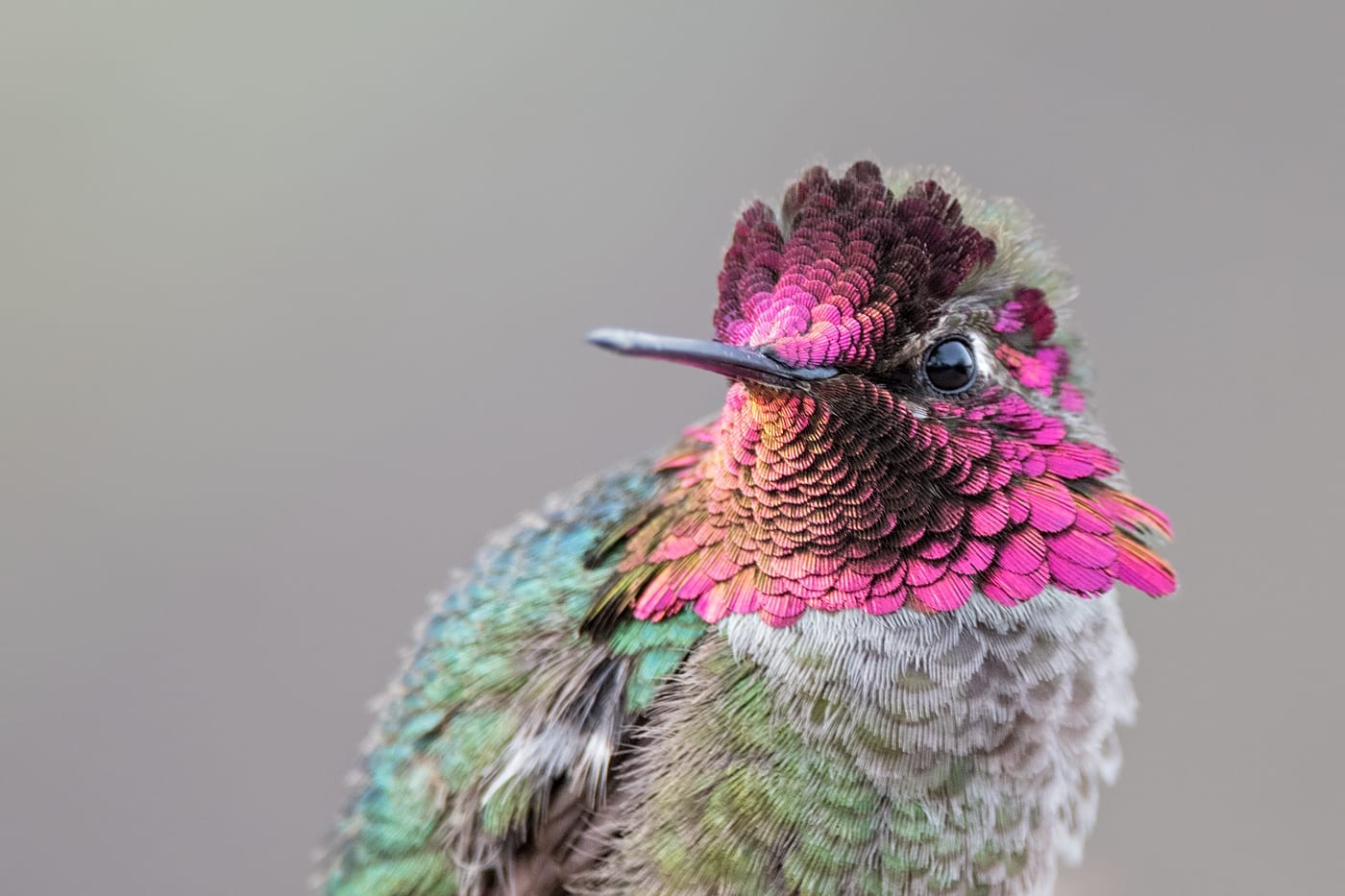
On Episode 75 of The Edge of Innovation, we’re talking with Arthur Morris who’s living the dream as a world renowned nature photographer! He’s sharing with us the story of how it all began!
Arthur Morris’ Website: Birds As Art
Arthur Morris’ Blog
Find Arthur Morris on Facebook
Find Arthur Morris on Twitter
Information for the Birds As Art Instructional Photo Tours
About Arthur Morris & Birds As Art
The Birds As Art Online Photography Store
Buy Arthur Morris’ book, The Art of Bird Photography, online here:
Arthur Morris’ Book, Shorebirds: Beautiful Beachcombers
Jamaica Bay Wildlife Refuge in Queens, New York City
New York City Audubon Society
Bird Watcher’s Digest
Photographer Milton Heiberg
Photographer Thomas Mangelsen
iBird – A Handheld Field Guide to birds of North America
Roger Tory Peterson
Peterson Field Guides to Eastern Birds
Cape May Bird Observatory
Festival of the Cranes
Cape May Fall Festival
Available to Buy: Books, Videos and Training Instruction by Arthur Morris, as well as books by his friends and colleagues
Link to SaviorLabs Assessment
Arthur Morris’ Dream
Selling Pictures of Birds
How Arthur Morris First Began Publishing Articles
Writing and Photography Go Together
Drawing as a Child: How it Helped
Photography is Learned
Birds As Art: How the Name Came About
For the Love of Birds
The Decline of Selling Stock Photos
How Can Photographers Make Money Besides Selling Photos?
Birding: A Popular Pastime That is Growing Everyday
More Episodes
Paul: So, what did the people around you think as you’re starting on this and in ’83 you’re picking up a camera and you’re a teacher. Was it just like no big deal or where did this come from or…?
Arthur: It was no big deal. I had played golf in college and wound up being captain of Brooklyn College Golf Team. Compared to my predecessors I wasn’t very good. I had a great friend who when he was a senior, his name was Dom Ferrone, and he wound up winning the Met intercollegiate one year in a huge upset over two scholarship golfers from Princeton and Pace University.
Paul: Wow.
Arthur: And, I still have the New York Times article. And I talk to Donnie once in a while. He knew he wasn’t good enough to make it on the tour, but he fulfilled his dream by becoming a head teaching profession at Callaway Gardens in Georgia.
Paul: Oh, cool.
Arthur: So I’m photographing away, and of course, it was all film then and had a halfway decent collection of slides. And to get my dream rolling, I decided I would try to sell a few bird pictures here and there.
Paul: Well, but before you go there, what was the dream?
Arthur: The dream was just that I could be a professional nature photographer specializing in birds.
Paul: Okay. So, you actually articulated that. You thought, okay, I’m going to go and do this for a living. I’m going to try to.
Arthur: In my, in my own head.
Paul: Right, right.
Arthur: You know, I didn’t share it with anybody then. It was sort of a secret dream. Again, with no planning. Just pretty much everything I’ve done in my life is just by hook or by crook, seat of the pants. We’ll take one step at a time and see what happens.
So, by the late ’80s, my marriage had ended, and I remarried my best friend who I’d known for 13 or 14 years, Elaine Belsky. We had three different apartments in Howard Beach section of Queens, which conveniently was by Jamaica Bay Refuge.
Paul: Was that by design?
Arthur: It was convenient because Elaine’s ex-husband, Marvin, and her son lived in Canarsie.
Paul: I see.
Arthur: And my school was in Bushwick. So, it was a neat little triangle. So that worked well. Then I guess I thought, if I’m going to be a professional, I might as well try to sell a few pictures. So, I started sending pictures into Bird Watcher’s Digest and Birder’s World. Very rarely I would sell a photograph for $50 or $75. And then it dawned on me, hey, if I’m killing myself to sell one picture to be used with someone else’s article, how about if I write the article, get paid for the article, and sell five or six pictures with the article. That seemed like a much better idea.
The funny part is lots of people tell you if you want to get started as a writer or a photographic illustrator, illustrating your stories with your pictures, the best way to do it is to write a cover letter and make it interesting and include a few pictures. And then all the editors will come running back to you telling you how much they want you to do this or that article for them.
So, I tried that, and I must have sent out a dozen cover letters with story ideas to different editors, and I didn’t even get a rejection letter. I got nothing. So, I said, this isn’t working very well. I don’t think these people are accurate.
Arthur: And I forget if I read it somewhere, but it’s turned out I was much more successful in writing an article, getting it proofread by a friend or two, and sending it along with a tight submission of maybe 20 photographs for the editor to choose from.
So, my first victim, or target, was a lady named Mary Beacom Bowers at Bird Watcher’s Digest. Bird Watcher’s Digest was published six times a year, and every issue had 20 articles or so. So, I figured that would be good.
I sent a package to Mary, and she sent me back a note with a promise to publish. So a month went by, and I got my Bird Watcher’s Digest, and I opened it up, and look on the table of contents for the name Arthur Morris — nothing. Then two months later — nothing. A year later — nothing. Two years later — nothing. So, I have this promise to publish that’s not getting published. I’ve always been a very determined person. Most people by this point, I think, would have called the editor and reminded them and said give me a break in life or maybe complained a little bit. But I came up with an alternate plan. I sent her a second article. And a few months after that, I went down to Cape May for some birding festival, Cape May, New Jersey. And I had the pleasure of meeting Mary Bowers for the first time.
And by that time, she had published the second article, and then in the next issue, published the first article. And they went on in a period of six years or so where I had about 25 articles published. You know, that sort of got me in on the ground floor at a time when you could sell photographs.
When I met Mary, she was this just this gentle, southern woman with a beautiful southern accent. And she said, “Artie, I do declare, you sent me that first article, and I held it for two years, and I never published it.” She said, “It just impressed me, your determination. And instead of calling me and complaining, you sent me a second article, and boy I really admire determination in a person.”
Her health is very failing, and I don’t know if she’s alive to this minute. The publisher who is now the editor of Bird Watcher Digest promised to get in touch when Mary passed. But I do, when I have a thorny grammatical problem, to this day I will email Mary because she knew language better than anyone that I’ve ever come across. And she was a very sweet and loving woman, Mary Beacom Bowers. And she was like the golf teacher that inspires you by just praising you — not real concrete suggestions, just, “Oh, Arnie, that was so beautifully written, I didn’t even have to raise my pen.”
Paul: Wow.
Arthur: Then, the second thing that happened was that there was a little nicer — and by “nicer” I meant finer paper and nicer photographic reproductions — and that was Birder’s World. And I worked with two editors there. One was named Julie Riddle and Mary Catherine Parks. And one of them, I sent an article about photographing birds from blinds called “No reason to hide.” Because in Europe, a hide is like a little blind. But I never used a blind. I just crawled in the mud and got close to the birds. And I sent her the article, and my memory precludes me from knowing if it was Mary Catherine Parks or Julie Riddle. In any case, one of them said, “Artie, you know that part that you wrote about your crawling through the mud and the no-see-ums are biting the back of your hand, and 10 feet away, a least sandpiper slept peacefully,” she said, “That’s a little first-person anecdote. If you would add some more of those to the article, we’ll publish it.”
So I did, and that became sort of the hallmark of my storytelling, interspersing what I was feeling and doing and thinking and seeing with some solid information.
Paul: Interesting.
Arthur: So between Mary Catherine Parks and Julie Riddle and Mary Bowers, they inspired me to write more. And, you know, that’s become instrumental in my success in the failing photography market, as far as being able to sell images, is my ability to write and write good how-to, and that connects with my blog, which is the life blood of my business today.
Paul: Well, let’s get into that in a minute. But so now you’re talking about… You sort of, just to reiterate, you went off to become a professional photographer, and you ended up being a writer as well.
Arthur: Oh absolutely. If the writing hadn’t kicked in, I’d be a greeter in Walmart or serving hamburgers at Burger King.
Paul: Wow. So, you’re a photographer is what you are. You’re not a writer. Or are you both?
Arthur: Oh, I’m surely both.
Paul: Sure. But I mean, when you think of yourself, do you say, “I’m a writer. You know, I’m like Stephen King. I write.” That’s all Stephen King does is write. And I don’t mean to say “all,” but, I mean, that’s what he… That’s the definition.
Arthur: Today I think of myself as a photojournalist.
Paul: Okay. Interesting.
Arthur: You know, there’s no way I could survive as a photographer, not for one day, one hour, one minute. And we’ll get into that in a little bit as far as the declining market for photographs.
Paul: Right. So, I mean, were you very artistic when you were younger? Did you learn everything about composition and all of the fine arts side of photography, the artistic side of photography?
Arthur: Well I liked to draw when I was a kid, and in elementary school, for the first five years, six years, kindergarten through fifth grade, I was a star student. They used to have S-Os. So I would get “outstanding” in every single thing. You know, I was perfectly well behaved. I was a good kid.
And then in sixth grade, I had a teacher named Mrs. McMenamin. I don’t know if she’s… I doubt that she’s still alive. And the first week of school, my mother was called up to the principal’s office by Mrs. McMenamin about four times. I was the same kid. I didn’t do anything different than I had ever done. One day we had a new girl in class after about the first month. The girl’s name was Sarah Lee Miller. Don’t ask me how I remember that after 65 years. But Sarah Lee Miller came into class in sixth grade, and we used to put our chairs up on the desk before we went home. And Sarah lee knocked one chair over, and about 25 chairs fell on the ground like a domino effect. And I remember Mrs. McMenamin shouting out, “Okay, Morris, 25 demerits.” I hadn’t done anything that nobody, anyone in the class hadn’t done.
We learned later that she was an anti-Semite, and to punish me — because I had the grades to be put ahead a grade. There was a program in junior high where you did 7th grade and then 9th grade. They called it SP, special progress. I more than had the grades for that. But the punishment, she could put me in special art, which I didn’t do very much with that. I wasn’t really artistic. I liked to draw, but I wasn’t very good at it. So, it actually turned out to be nice. I had one more year in junior high than the smart kids, went on to Brooklyn Tech, and didn’t do anything particularly artistic.
We’ll skip ahead to that first nature photography class. I was so proud. I had one picture of a Greater Yellowlegs that I took at Sandy Hook. And by, just pure luck I managed to get the right exposure. And we did a critiquing session. Milton Heiberg projected the slide, and everyone said “Oooh.” And Milton said, “Well, it’s very nice, but why did you put the bird in the middle?”
And I said, “Well, where are you supposed to put the bird?” I didn’t know any better, that we want to move the bird back in the frame and give it room to see.
So, I guess you could say that everything compositionally and artistically was learned. I think that there must have been some innate stuff lurking in my brain with an artistic side but that definitely was mostly learned and had to be nurtured and developed.
Paul: Would this be fair? You saw birds. You loved birds. And then you said, “Well, let me take pictures of birds.” And you enjoyed that. And then you wanted to have your bird artwork publicized, and you couldn’t get it publicized, so you started writing articles. And along with that, you started to get published, both your pictures and your articles.
Arthur: That is all correct then. I just had a thought. Keep talking about the art stuff and the transitioning from being a school teacher to thinking there was a chance I might be able to make some money as a photographer or, as it turned out, to be a photojournalist.
So probably sometime about 1989, 1990, I was living with Elaine, and we were recently married, and I was telling her that I might want to be a professional photographer one day, but I needed a name for my business. At the time, there was a famous photographer named Tom Mangelsen. He’s still well known. And I think his business name was Reflections of Nature. And everybody who was getting into photography took a play on his name — Images of Nature, Nature’s Reflections, Reflections of Nature.
I said, “Elaine, what could we do? I need a good business name, and I don’t want it to be ‘reflections’ of anything.”
So, we sort of brainstormed for a minute, and she said, “Well, you like birds, and your work is artistic, and your name is Arthur, and short for that is Artie or Art,” and then she blurted out “Birds as Art.”
And I remember at the moment, I said, “Oh, babe, that’s amazing. That’s the greatest thing I ever heard — Birds as Art.”
So, I would go on to lose her to breast cancer in 1994, and it’s just very comforting to know that even today in the age of digital, every time I press the shutter button, Birds as Art is embedded in the metadata. So Elaine lives on.
Paul: Wow. That’s great.
Arthur: She was always my best friend and my biggest supporter. And you know, I was sad for a long time after she died. Then I got into this stuff called the Work, the Work of Byron Katie and found the good measure of peace, and now I can look back on Elaine Belsky just with nothing but smiles and how lucky I was to be with her for nine years.
Paul: So now, if you had not sold that article or not found the path to being able to get your pictures published, I’ll bet you’d still be looking at birds. You’d be doing something else for income, but you’d be probably still looking at birds because you loved birds.
Arthur: Oh, I always have said that if I never sold one photograph, if I never sold one article, if I never led one photographic tour teaching other people, that I’d be spending just as much time photographing birds. It’s not a question. The fact that I was able to make a living in what turned out to be an amazingly lucrative living doing what I love to do more than anything in the world, that’s the miracle of my life. Everyone should be so blessed.
Paul: So, well let’s talk a little bit about sort of the business of it, as it’s evolved throughout the years. So you had this first foray into the business of it by creating an article. So pretty smart, from a bystander saying, “Okay, you’re not going to publish my, my pictures; I’ll send you an article with pictures.” And so you got that in there. Then what was the next thing that happened? Did you just continue to write articles?
Arthur: I wrote a lot, and I had sent some pictures to VIREO, and the guy who was director then, name was J. Pete Meyers, and I said, “I’m a fledging bird photographer.”
And he wrote back, and he said, “You’re far more than a fledging bird photographer.” But in fact, that’s what I was.
So VIREO started selling a few pictures, and at the time, in the late ’90s and the very early part of the aughts, there was some money to be made selling nature photography as stock by doing it the hard way, not through a stock agent. Although VIREO was a quasi-stock agency — Visual Resources for Ornithology, part of the Academy of Natural Science at Philadelphia. And at the height of it, maybe they were selling four or five thousand dollars twice a year. So, I get some decent checks. And we were sending stuff over the transom.
I remember in the early years just going to the bookstores, looking at the books and magazine, finding the name of the publisher, writing a cover letter, sending samples, and selling a few pictures. And that grew. Elaine was gone in ’94. But 2001, I hired my daughter Jennifer to help me run the business in 1998. And probably the height of the sales of images to be used in books and on calendars was probably about 2001 because Jennifer’s my quasi accountant. And I said, “Hey, Jen, see how much money we made selling photographs in 2001.”
So, she went back through the spreadsheets, and she came up with a figure of about $220,000.
Paul: That’s pretty good in that year.
Arthur: Pretty damn good for selling the rights to photographs to be used in books and magazines and — I don’t remember — maybe even on a website or two back then.
So, in 2011, 10 years, I said to Jen, “Hey, Jen, you remember when you used to do that thing with where we made to money from?” I said, “Just go back and check the sales of pictures. Just pictures that we sold to publishers for books and magazines and websites usage.” And pretty stunningly — I mean, I knew things were bad, but I didn’t realize how bad — we had sold, from 2001 when we sold $220,000 worth of images, to 2011, that number had dropped to just under $20,000 for the year.
Paul: Wow. So a tenth.
Arthur: Then a month ago, I said to Jen, “Hey, Jen, go back and see how much we made from selling pictures in 2016.” $2004.
Paul: Wow.
Arthur: Down another 90%. So really, in essence, down about 99%.
Paul: Wow. So would you say — I mean, a lot of photographers are probably going to listen to this — that you need to find alternate ways to make money than selling photos?
Arthur: I’m sure there’s some photographers around, commercial, who are still surviving by selling photographs. In nature photography, the market has gotten a thousand times tighter. Sometime after 9-11, traditional publishing of hardcopy books and calendars has just gone totally downhill. And then other factors for involved in that. It’s so much easier to become a good digital photographer than it was to become a good photographer with film so that there are hundreds of excellent photographers. And the way it’s worked out is many of them are more than happy to give away their photographs for a credit line. So, the market is virtually destroyed.
Paul: Hmm. Interesting.
Arthur: A perfect example of that is a little publishing project called iBird. There used to be a guy named Peter Thayer. And he used to make bird recording CDs, and he bought all the pictures through VIREO. And not only did he pay a fair price, $60 or $70 for each photograph, but when he would sell 10,000 CDs as per the contract, you would get paid a second time. So those were some nice checks.
Then along came this guy with iBird, and he emailed every bird photographer he could find on the planet, and he came up with the following pitch. You let me use your pictures for free on this new CD I’m doing for bird recordings called iBird, and I will use your picture, and I will give you a credit line, and people will be soon lining up to buy your pictures from you because you’ll have 2— or 300 pictures on my iBird CD.
So many of the best photographers bought that deal. I did not. I said, that’s ridiculous. Then the credit line for each photographer you need a 20-power magnifier to read it. And no one has ever sold a picture. But the end result was Peter Thayer pretty much went out of business, and the iBird guy went on, I would think, to be a multi-millionaire because he expanded to just dozens and dozens of different CDs. You know, Peter Thayer was selling a CD for $90 and paying people fairly. This guy didn’t have to pay anybody fairly. He got the rights to the recordings rather cheaply, and he sells his thing for $12. And then with this explosion of birdwatching and birding, he’s done quite well for himself.
Paul: So, let’s just take a detour here. Is birding still a popular pastime for people?
Arthur: Oh, birding is growing every day. For me, for Birds as Art, to leave teaching when I did just as this huge groundswell of people being aware of nature, wanting to get out there with a pair of binoculars… I mean the grandfather of the whole thing was Roger Tory Peterson with his series, the Eastern Field Guide to Birds. And then that’s grown into this huge collection of field guides and done in the Peterson style. And birding continues to grow as the baby boomers are getting to retirement with disposable income. There are just more and more birdwatchers, more and more birding events.
Heck, when I, when I first started, that was the fall roundup at Cape May by Cape May Bird Observatory. There was one birding festival. Now if you get online and do a search for birding festivals, you can probably find two or three or four a week for 52 weeks a year. You know, the next big one was the Festival of the Cranes at Bosque del Apache in New Mexico. After that, things grew like wildfire, in part, due to my friend Paul Kerlinger at Cape May Bird Observatory. I mentioned they had the fall roundup. Well Paul decided one year to do a study on how much money the birders spent when they came to Cape May to come to the festival and then expanded that to a year and extrapolate it. And it found out that when people travel to visit a birding festival or to go birding in general, that there is this huge multiplier effect. They buy their plane tickets. They got their binoculars. They have their hotel reservations. They have their rental car. They eat at the local restaurants. They stay a week, and I forget the fantastic figure that he came up with. But once folks saw this and this became common knowledge, people at bird-rich areas all around the country said, “Hey, let’s have a festival.” And there are plenty of them today, and they’re generating, surely, tens of millions of dollars of income for individual communities each year around the country and around the world, even.
You’ve been listening to Part 2 of our conversation with Arthur Morris! Stay tuned for Part 3!
If you missed Part 1, you can find it here!